Edição Atual
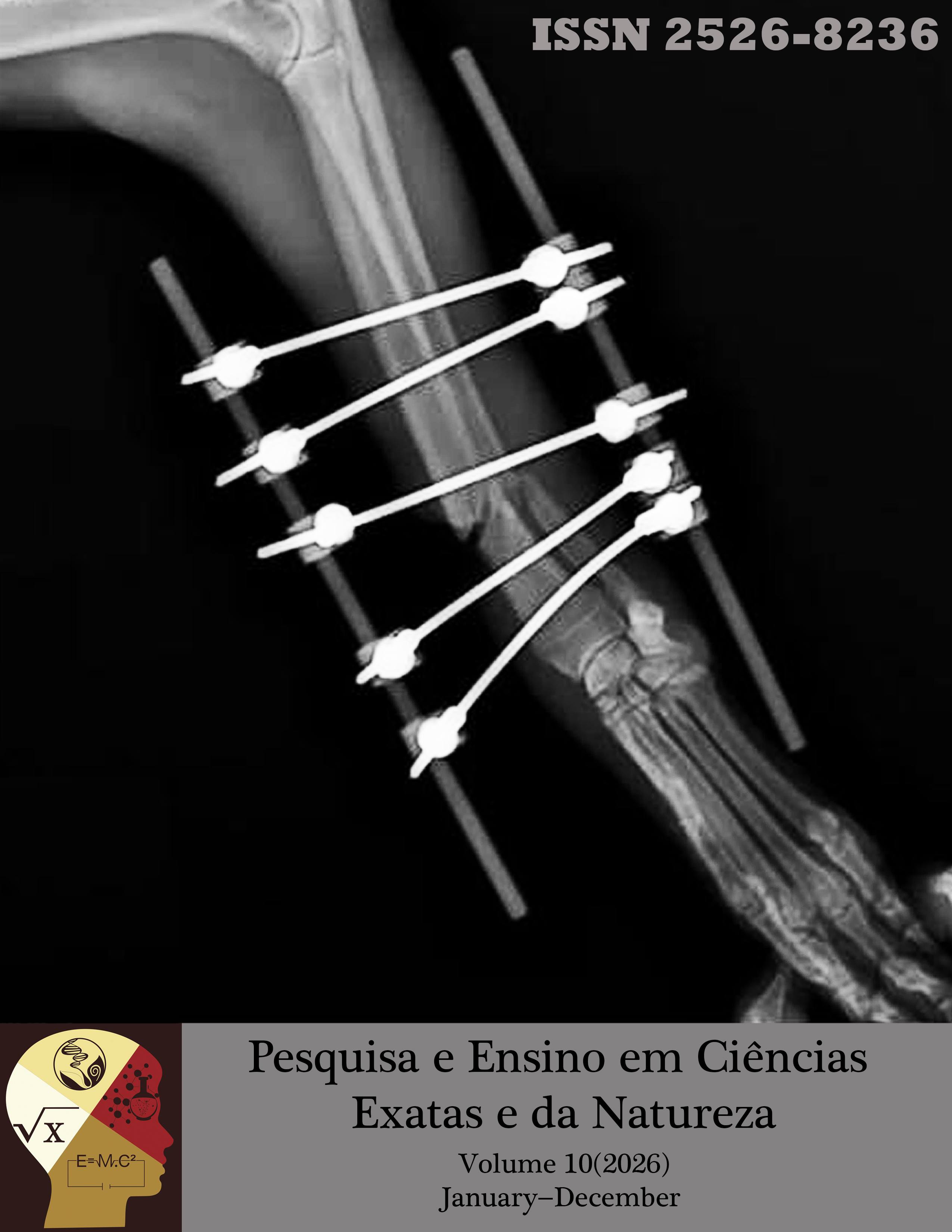
The cover radiograph shows a traumatic fracture of the radius and ulna bones of a mixed-breed female dog after being involved in a road accident. The study entitled Utilização da Dysphania ambrosioides como agente de consolidação óssea em osteossíntese canina (Use of Dysphania ambrosioides as a bone consolidation agent in canine osteosynthesis) addressed the use of mastruz (Dysphania ambrosioides) as an adjuvant phytotherapeutic in bone regeneration, applied post-operatively to a female dog undergoing osteosynthesis after a traumatic fracture of these bones. Mastruz is known in Brazilian folk medicine for its bioactive potential in the treatment of inflammation, infections, pain, and tissue repair. In this study, the plant extract was incorporated into the post-surgical therapeutic protocol and administered orally to the dog for four consecutive weeks. Ninety days after surgery, clinical and radiographic evaluation revealed complete bone consolidation, absence of complications such as infections or rejection, as well as significant functional recovery of the affected limb and pain relief. The results reinforce the potential of Dysphania ambrosioides as an effective and low-cost phytotherapeutic alternative, capable of complementing conventional orthopedic treatments in small animals. Thus, the study indicates that the use of Dysphania ambrosioides can promote bone regeneration, provide greater postoperative comfort, and contribute significantly to veterinary orthopedic rehabilitation, paving the way for future research on its clinical application and mechanisms of action.